For medium-throughput transfection of cell lines, e.g. K-562, Neuro-2A or RAW246.7, when working with the 4D-Nucleofector® 96-well Unit
For high-throughput transfection of cell lines, e.g. K-562, Neuro-2A or RAW246.7, when working with the 384-well HT Nucleofector® System.
For high-throughput transfection of cell lines, e.g. K-562, Neuro-2A or RAW246.7, when working with the 384-well HT Nucleofector® System.
For medium-throughput transfection of cell lines, e.g. K-562, Neuro-2A or RAW246.7, when working with the 4D-Nucleofector® 96-well Unit
Human recombinant insulin for cell culture, 5mg/ml, 1 L bottle, sold separately or as part of CHO powder kits
PowerFeed® A Chemically Defined and Protein-free Liquid Medium, 1L
XtremeFeed®, chemically defined, protein free, Basal Powder 200L
PowerFeed® A Chemically Defined, Protein-free Basal Powder, without ferric citrate, 50L
PowerFeed® A, CD , Protein free, Basal Powder without ferric citrate, 10L
For efficient transfection of cell lines, e.g. A549, Caco-2, CHO-K1, HT-, or U-87 MG, in the Nucleofector® I/II/2b Device
-
Instructions - UltraCHO™ MediumHow to use ProCHO medium
-
Instructions – ProCHO Liquid mediaInstructions for use of ProCHO Media
-
Instructions ProCHO powder kitsInstructions for use of ProCHO Powder kits
-
ProCHO® Protein Expression Media
-
WinKQCL 5 Software - EnglishWe Analyze Endotoxin Data Every Day Version 5 Software Features Announcement of discontinued support for Windows SQL Server® 2000 and XP Operating System English Version
-
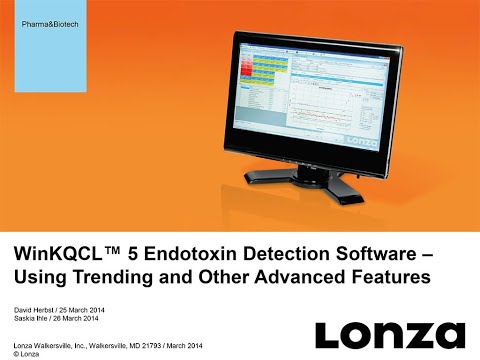 WinKQCL™ 5 Endotoxin Detection SoftwareLearn how to use the advanced features in Lonza's WinKQCL™ Endotoxin Detection Software to save time, reduce costs and ensure compliance to 21 CFR Part 11 and Annex 11.
 -
4D-Nucleofector® Protocol for MRC-5Optimized 384-well Nucleofector® and 4D-Nucleofector® Protocol for MRC-5
-
MRC-5 Transfection Protocol - 4D-Nucleofector™ DeviceInstructions of use for transfection of MRC-5 with the SE Cell Line 4D-Nucleofector™ X Kit
-
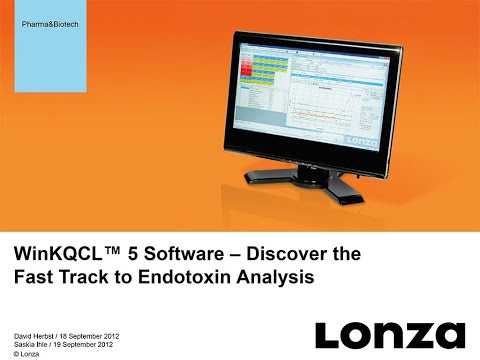 WinKQCL™ 5 Software – Discover the Fast Track to Endotoxin AnalysisWebinar about the WinKQCL™ 5 Endotoxin Detection and Analysis Software and how it can help you to analyze, report and trend your data.
 -
SourceBook Section III - Loading and Running DNA in Agarose Gels1. DNA Loading 2. Loading Buffers 3. Optimal Voltage and Electrophoretic Times 4. Fast Running Protocols for High Resolution in MetaPhor® Agarose Gels 5. References